Case Studies / BEEAH Tandeef
RISE with SAP S/4HANASmart Waste Management for BEEAH Tandeef — a RISE with SAP S/4HANA engagement
Leading an SAP engagement to conceptualise a smart waste-collection solution for BEEAH Tandeef — connecting sensor-equipped bins, dispatch and in-cab driver workflows — delivering 33% fewer unscheduled pickups and 21% less fuel in the pilot.
Business Challenge
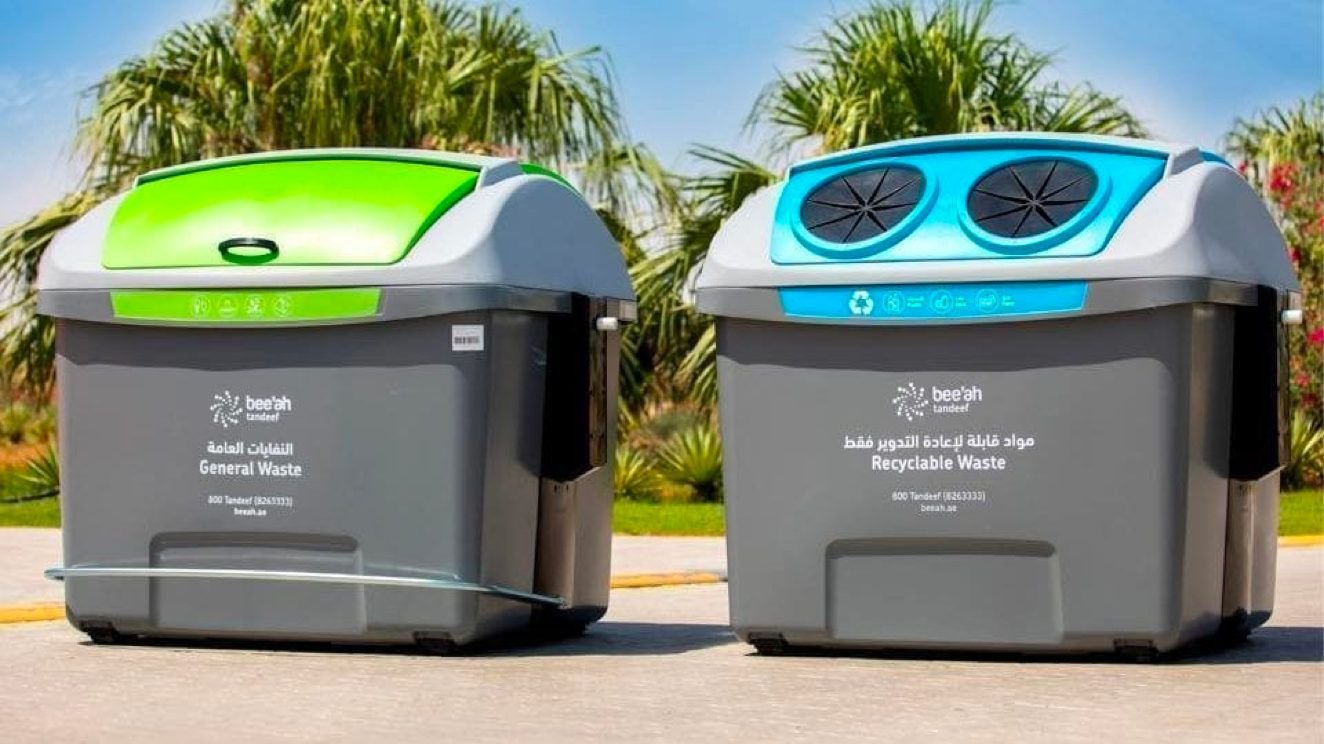
BEEAH Tandeef, the waste collection and city cleaning vertical of BEEAH Group, serves governments, businesses and millions of residents across the UAE. Its bins for general, recyclable and hazardous waste across Dubai and Sharjah needed collecting at different intervals depending on how full they were.
There was no system to monitor bin levels, track truck locations or confirm pickup status. Trucks ran fixed routes whether bins were full or not — driving unnecessary trips, fuel use and cost.
Transformation Context
The SAP EMEA sales team brought me in to lead the solution engagement: conceptualise a smart waste-management solution for BEEAH as part of a RISE with SAP S/4HANA conversation, working alongside a bin-sensor OEM partner. The solution had to be shaped from scratch, so understanding the end-to-end business process, roles and touchpoints came first.
Enterprise Landscape
- RISE with SAP S/4HANA as the enterprise core for operations, fleet and cost
- IoT fill-level sensors on bins from a specialist OEM partner
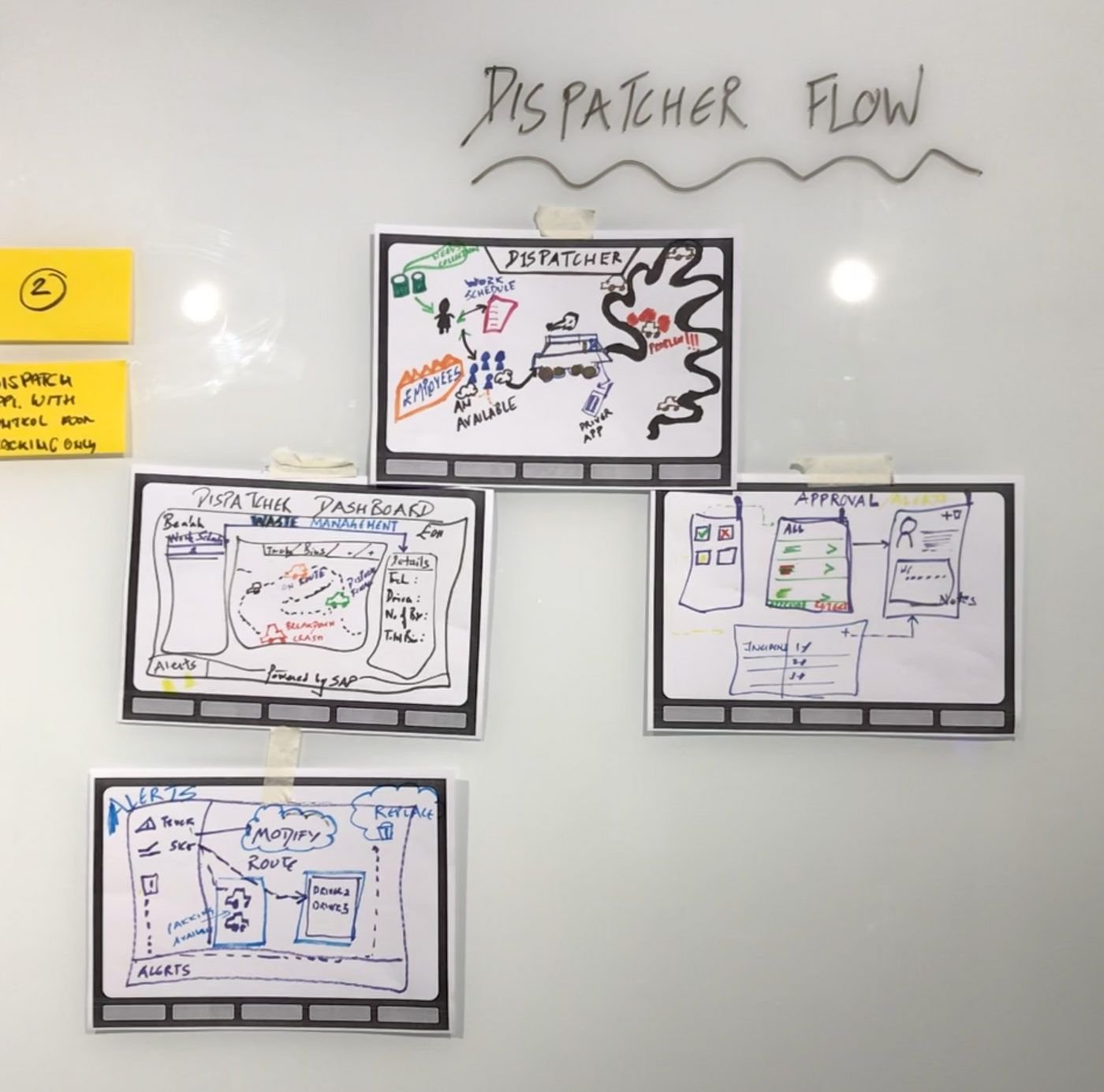
- A dispatcher workspace with a live map of trucks, bins and routes
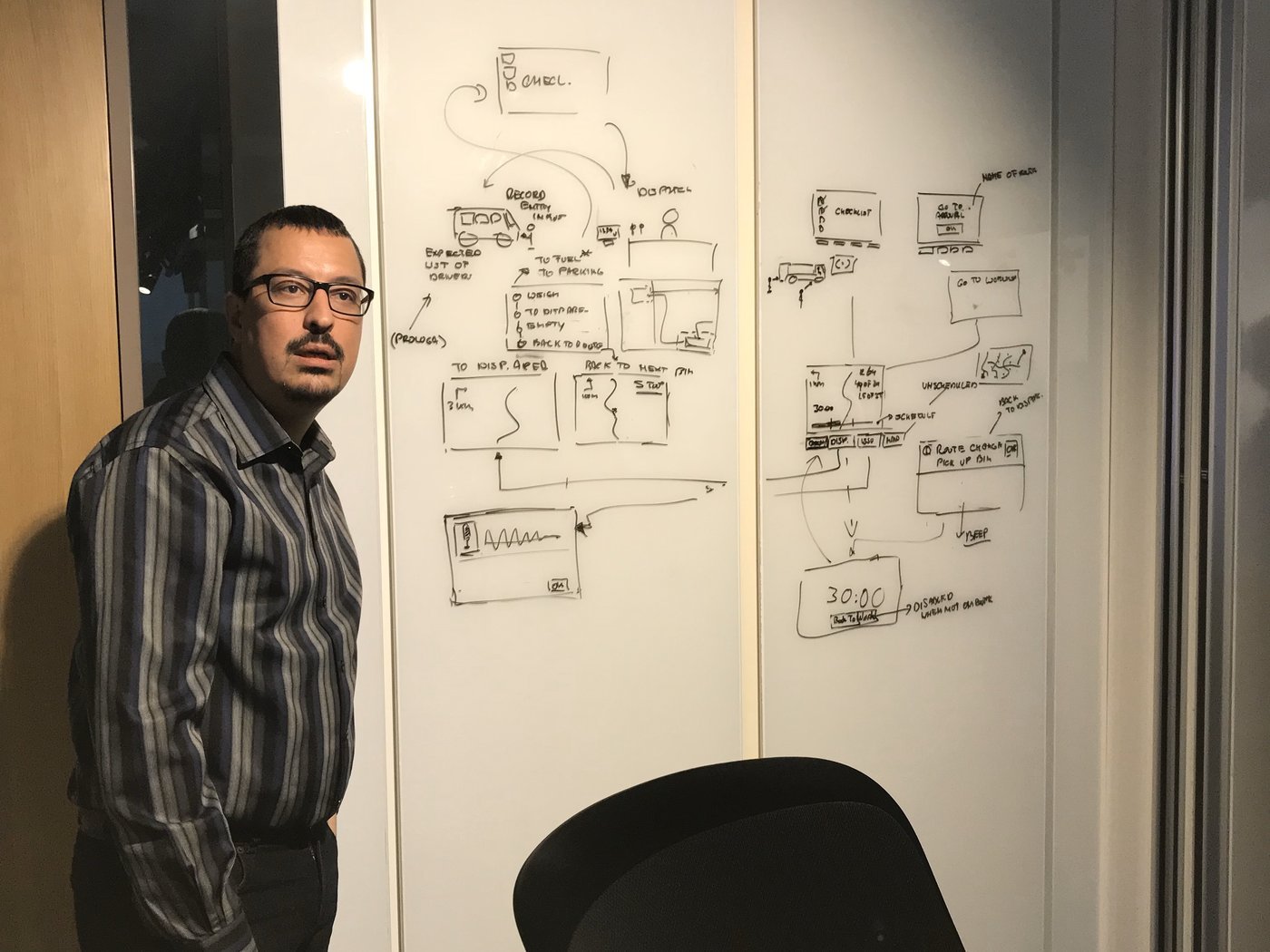
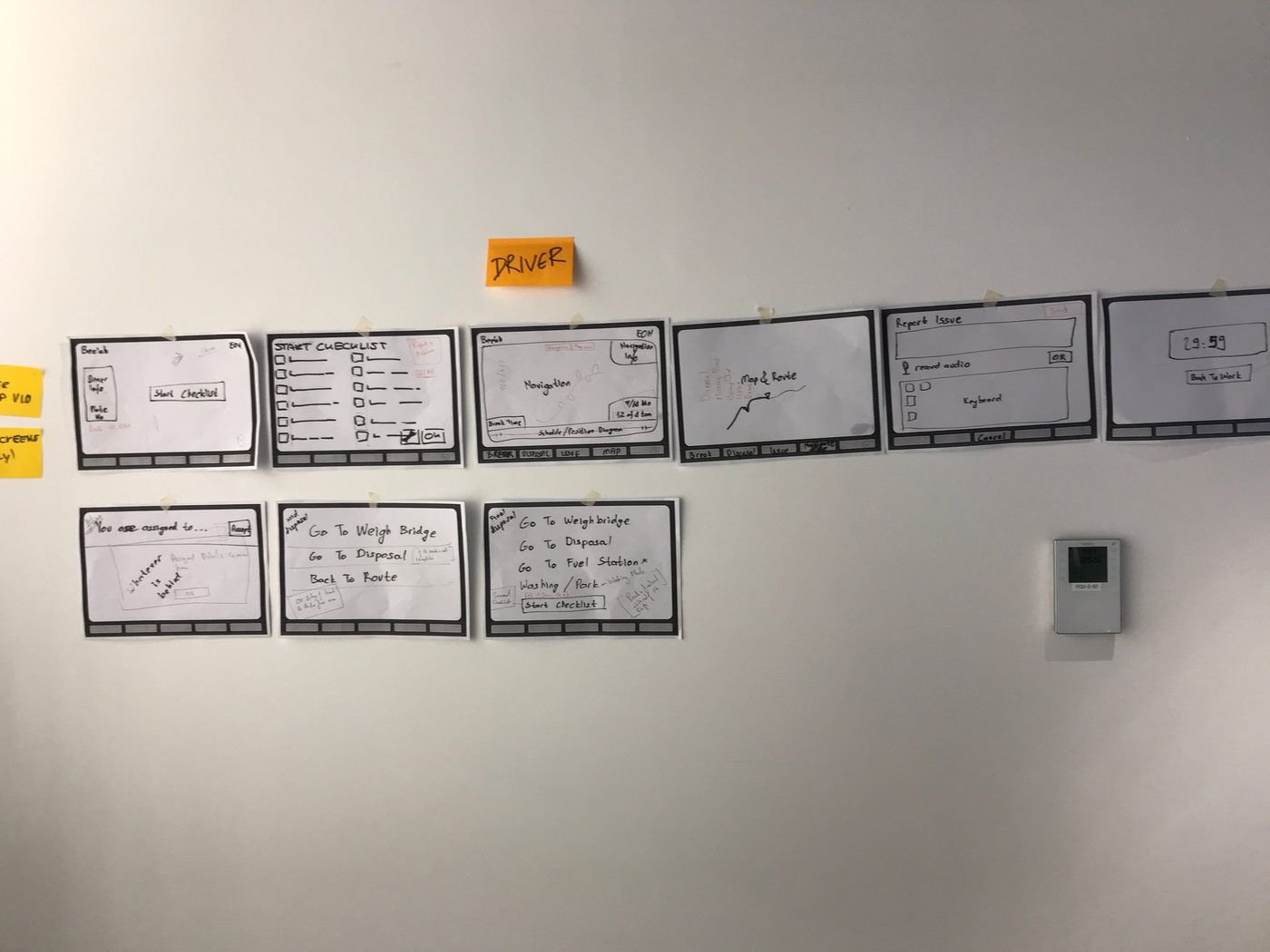
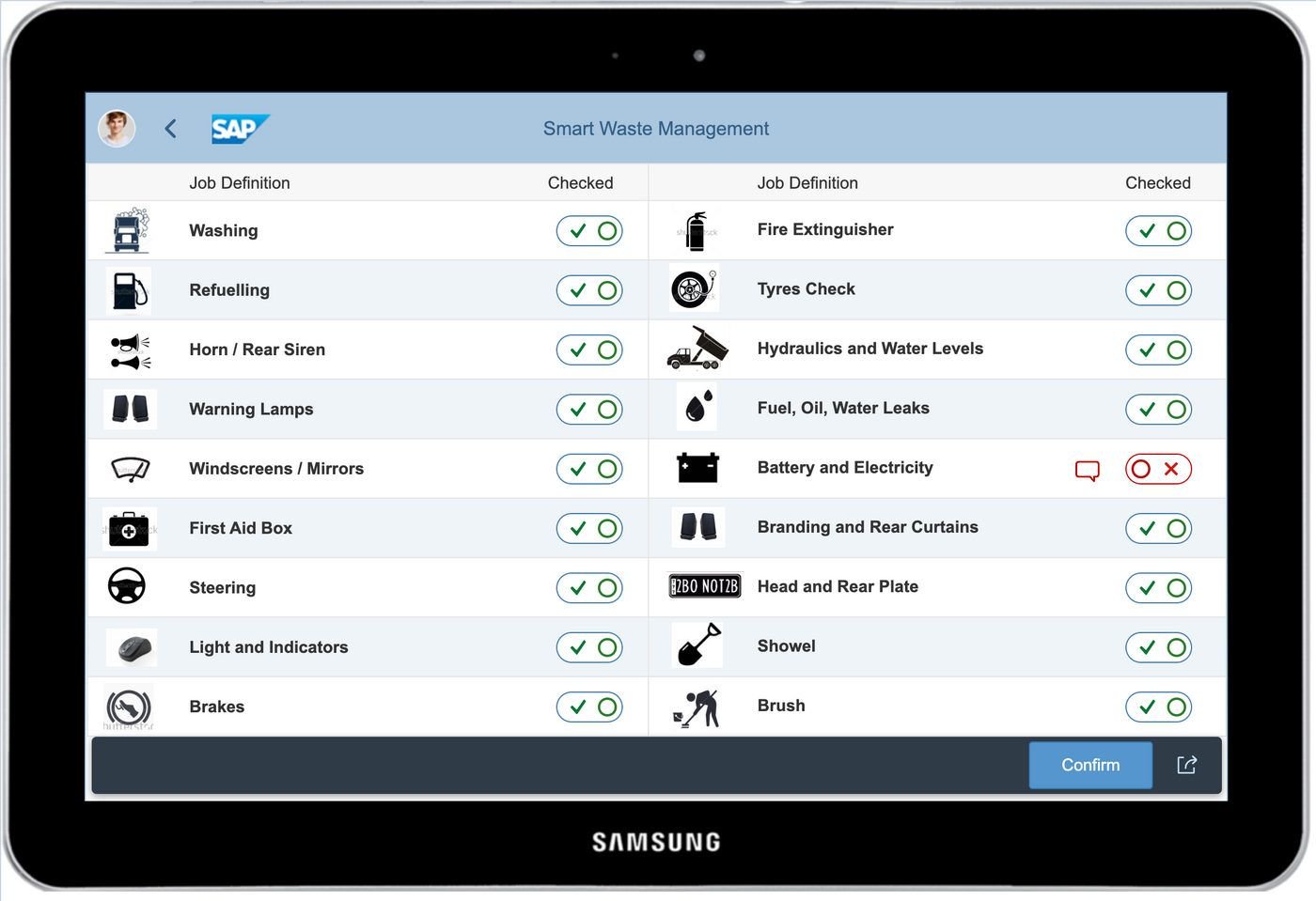
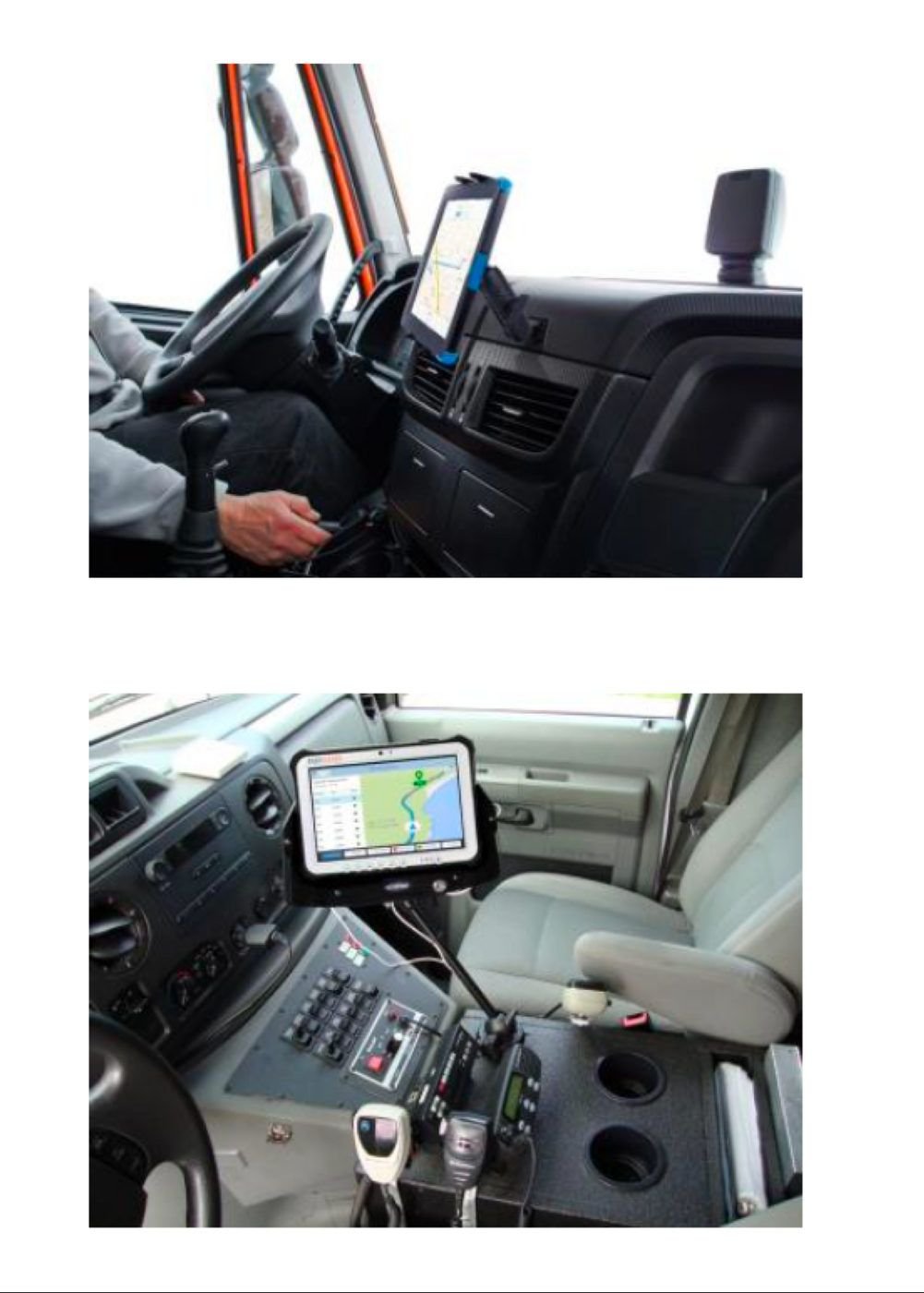
- An in-cab tablet app for drivers, including vehicle checks and incident reporting
- Supervisor and administrator views for performance and compliance
Business Process / Operating Model
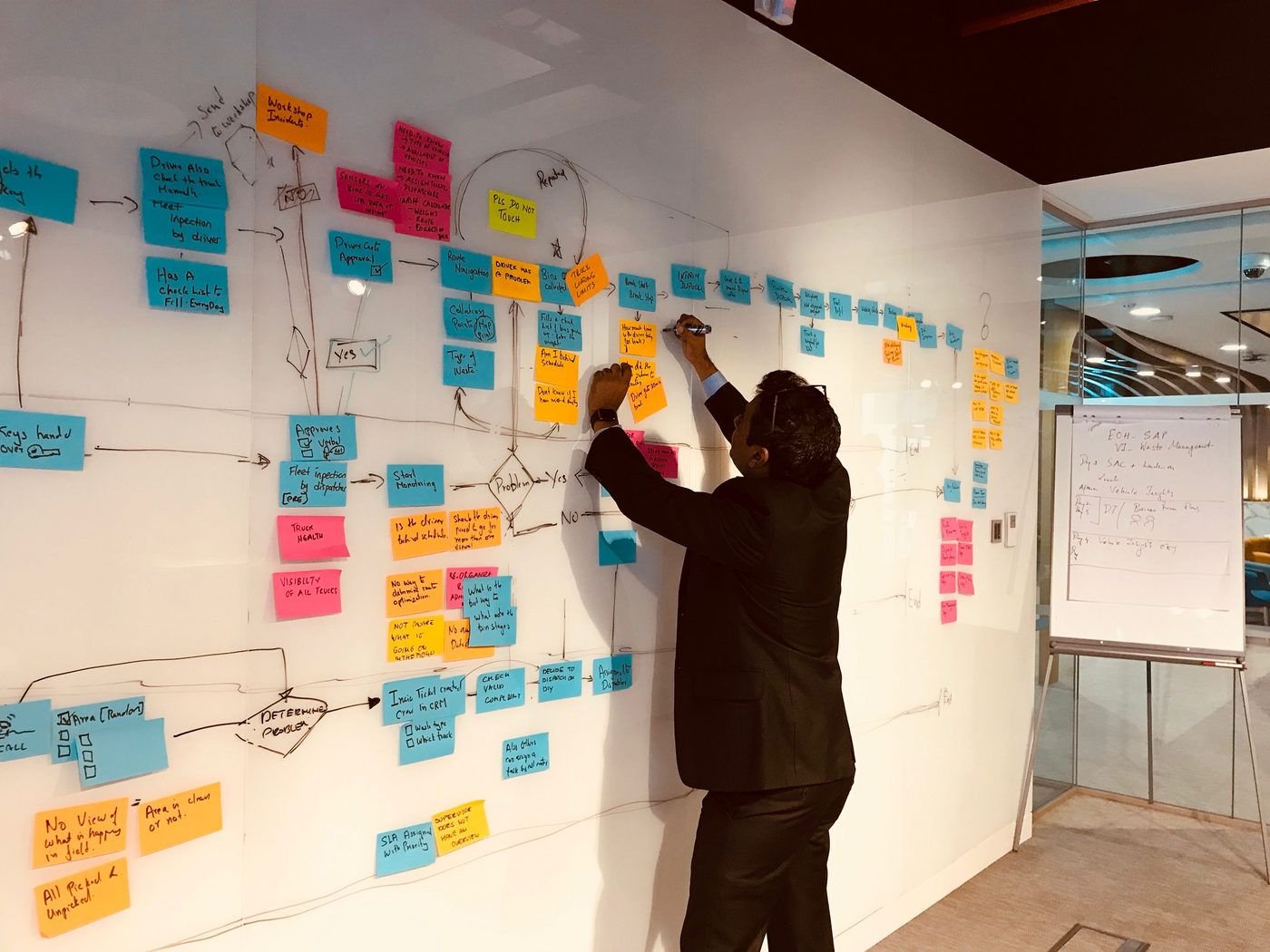
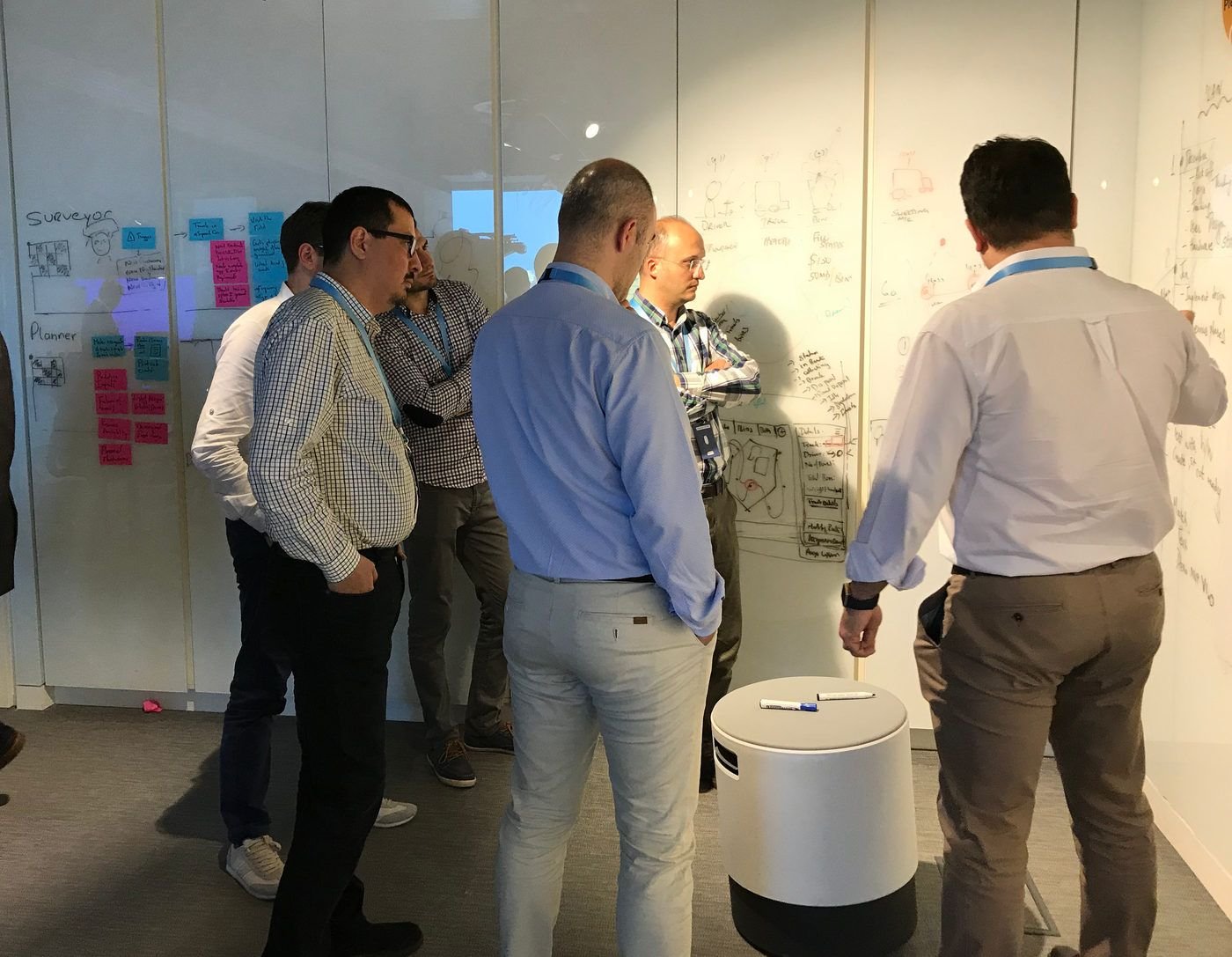
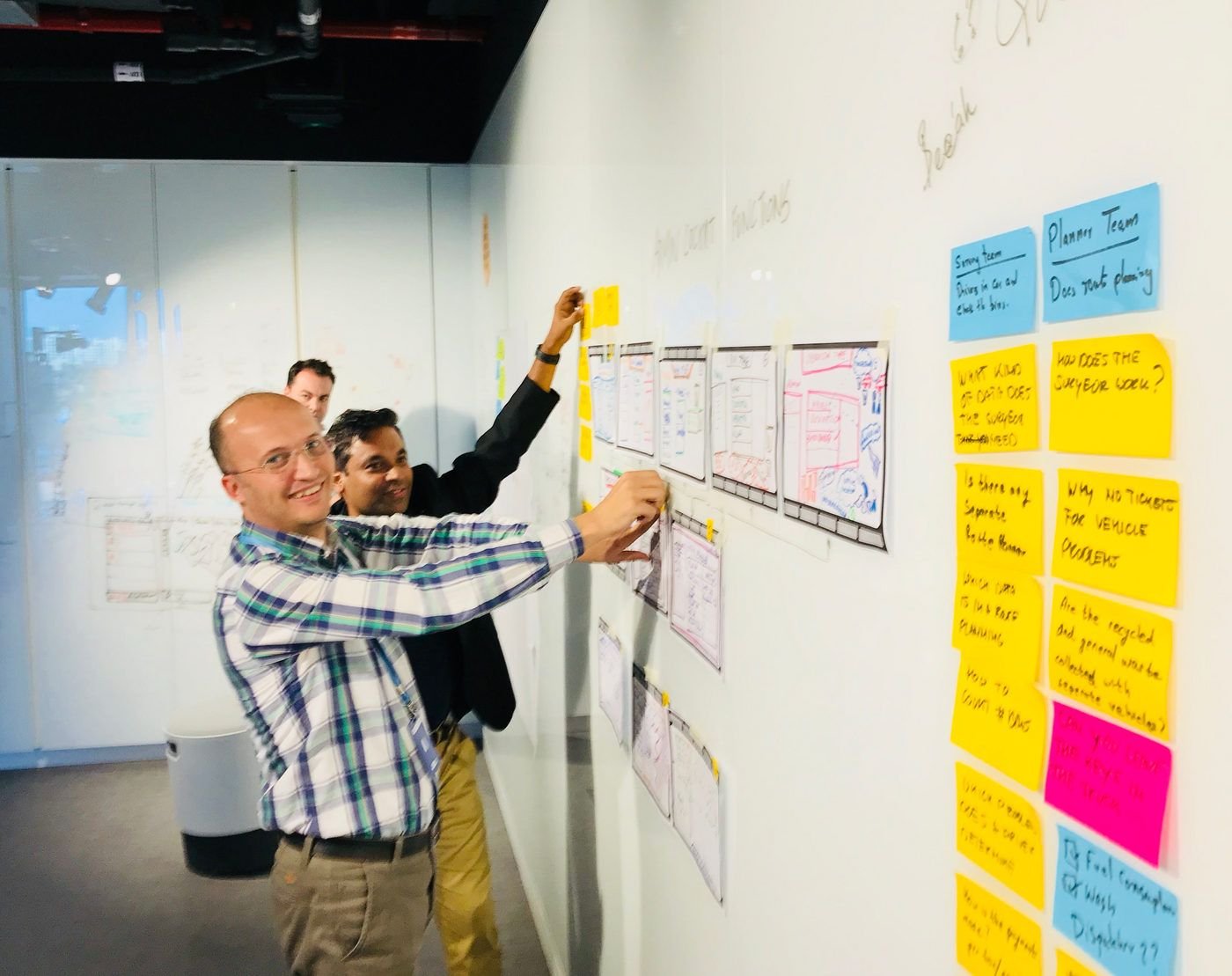
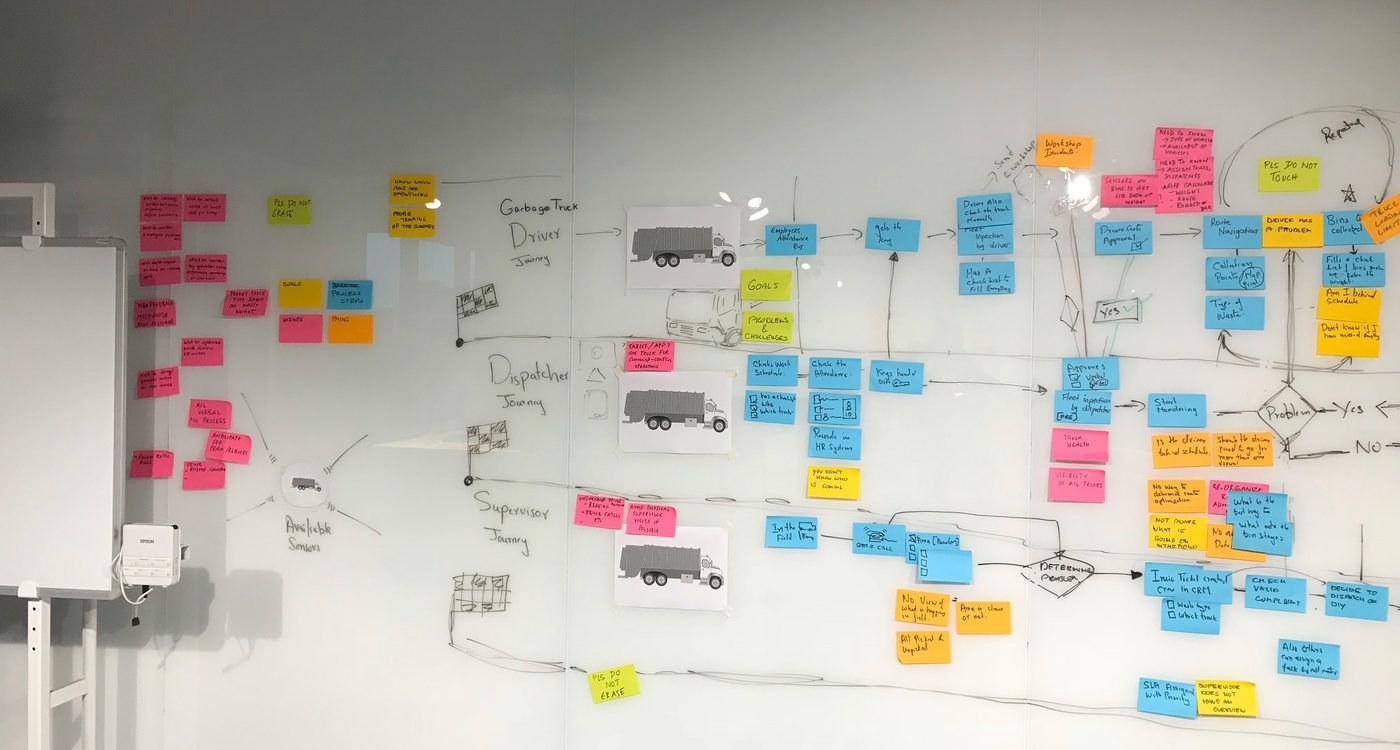
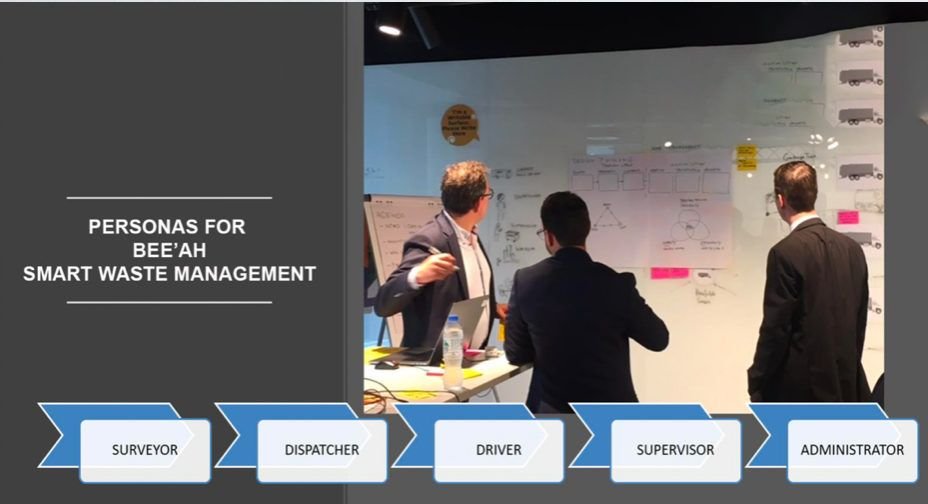
I facilitated design thinking workshops at the SAP Dubai office, bringing BEEAH’s key stakeholders into one room to map the entire waste collection service end to end — processes, key functions, user roles, tasks and innovation areas — until everyone agreed on how the service worked and where it broke down.
Five personas anchored the operating model:
- Surveyor
- Dispatcher
- Driver
- Supervisor
- Administrator
Architecture & Solution Decisions
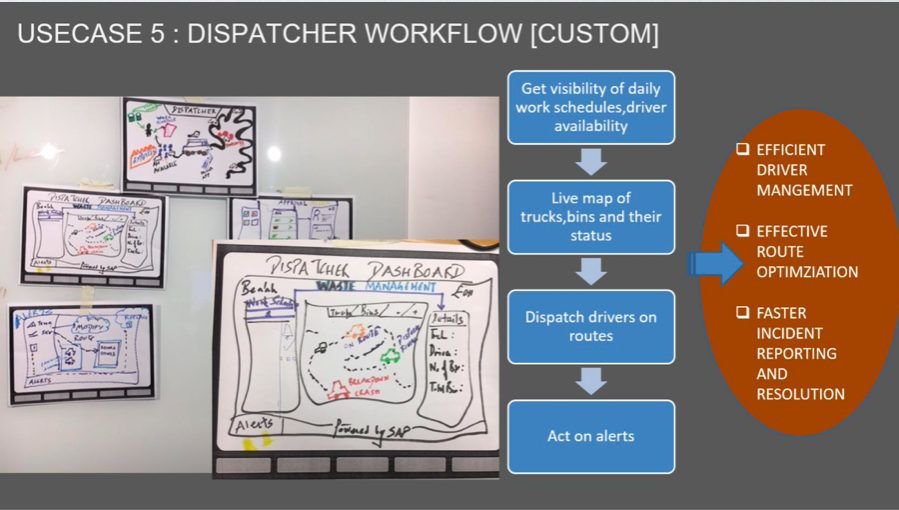
Requirements, ideas and data needs from the workshops were synthesised, clustered into use cases and prioritised with the business. The target solution moved collection from fixed schedules to a sensor-driven model:
SAP S/4HANA / BTP Role
RISE with SAP S/4HANA provides the enterprise backbone — the system of record for operations, fleet, maintenance and cost. Sensor data and the dispatcher and driver experiences connect to that core, so decisions on the ground flow into the numbers leadership manages, such as cost per tonne of waste.
AI Opportunity
The core intelligence is data-driven optimisation: bin fill levels drive when collections happen, and routes are optimised around the bins that actually need emptying. The same sensor and route data creates a foundation for predictive fill forecasting and smarter scheduling as the solution scales.
Experience Strategy
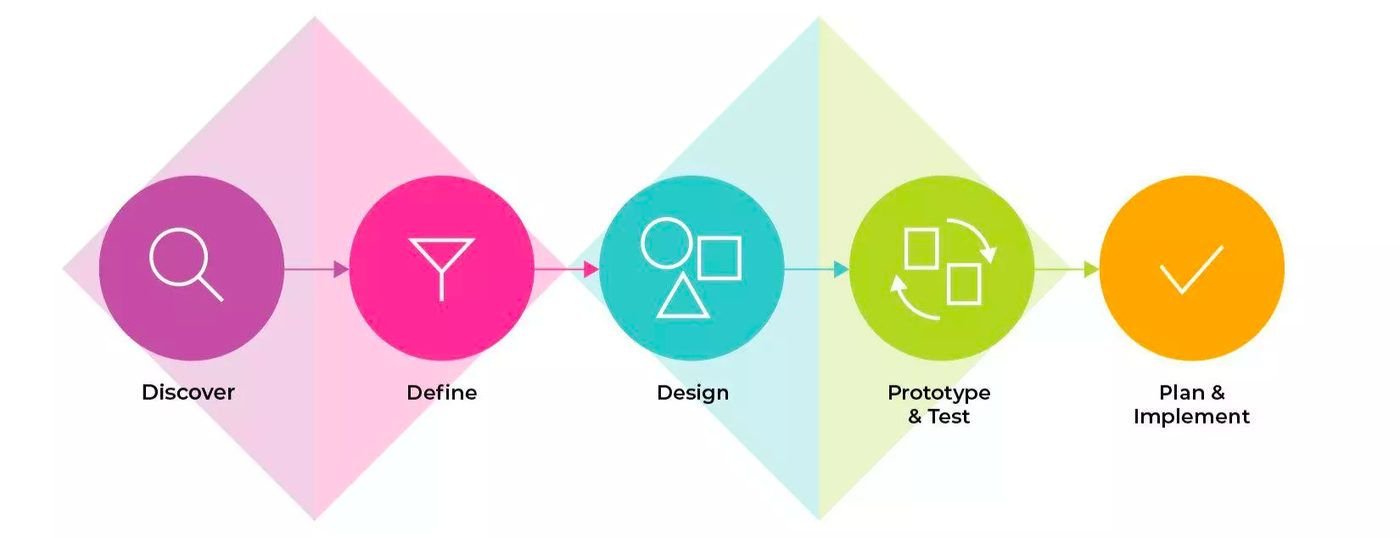
I applied a human-centred design process — discover, define, design, prototype and test — to make sure the solution worked for the people doing the work.
Persona groups co-created low-fidelity wireframes in the workshop. I then ran three days of contextual inquiry in the field with more than eight users — drivers, supervisors and waste collectors — with BEEAH arranging the clearances and safety equipment. Clickable prototypes built in Sketch and Axure RP were benchmark-tested on an Android tablet docked in the truck cab, measuring task completion time and success rate and validating legibility and touch targets before sign-off.
My Leadership & Responsibilities
- Led the engagement for SAP, working with the SAP EMEA sales team and the OEM partner
- Formed and led the squad of solution architects, SMEs and developers
- Facilitated design thinking workshops with BEEAH stakeholders at the SAP Dubai office
- Played the prioritised use cases back to BEEAH top management for alignment and sign-off
- Led field research and prototype testing with drivers, supervisors and collectors
Key Decisions and Trade-offs
Business Outcome / Transformation Roadmap
After deploying the solution in one location, analysis of the results showed:
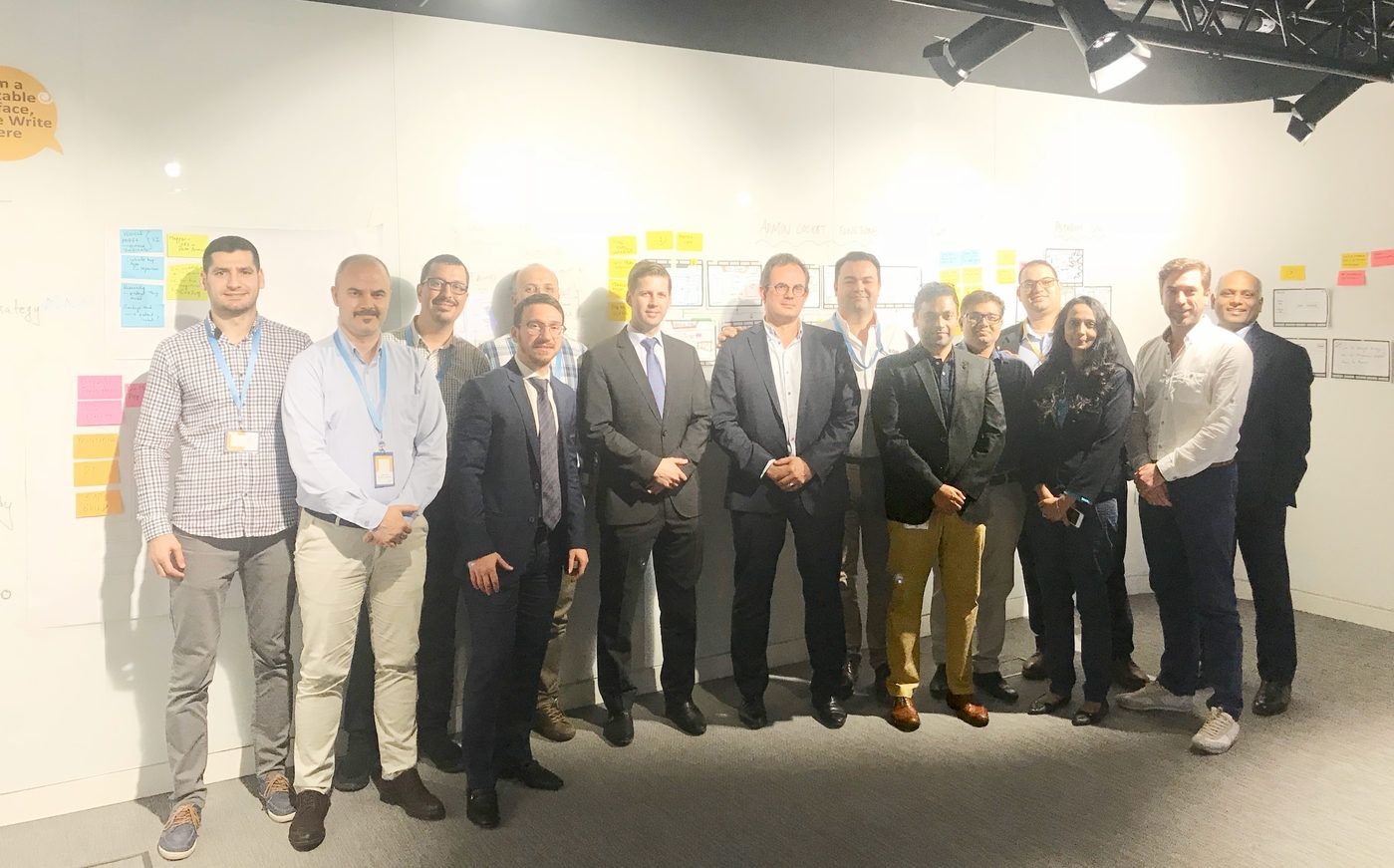
Discovery in the room.